
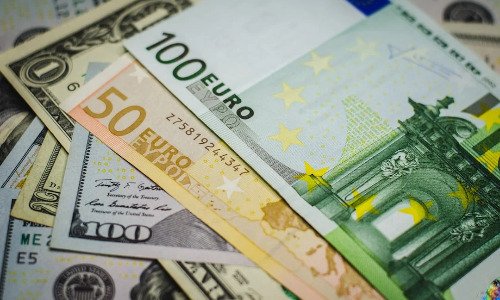
Pakistan has officially requested a ten billion dollar currency swap line from the United States Treasury Department to bolster economic resilience. This extraordinary diplomatic initiative unfolds as Washington remains engaged in conflict with Iran. Islamabad has emerged as a crucial diplomatic bridge connecting American and Iranian interests during these regional tensions.
State authorities note that the exact structural terms, legal frameworks, pricing, and permitted usages of this potential currency swap line remain undisclosed. Analysts emphasize that while approval is not guaranteed, the possibility highlights how financial mechanisms intersect with global power dynamics. Pakistan already maintains a bilateral financial arrangement with China, positioning itself within overlapping monetary networks.
Beijing utilizes renminbi liquidity to expand trade, promote international currency usage, and extend political influence across partner nations. Conversely, United States liquidity reinforces the dollar-centered financial architecture while rewarding strategic allies. International relations scholars observe that emergency financial safety nets often reflect diplomatic alignment rather than purely economic metrics.
Regional observers note that Pakistan leverages its unique geographic location and diplomatic utility to secure economic relief during crises. Washington views a financially stable partner as essential for sustaining ongoing communication channels and limiting wider regional escalation. However, analysts caution that temporary financial insurance should never substitute for comprehensive domestic economic development strategies and structural reforms.
Policy experts recommend that Islamabad maintain absolute transparency regarding all multilateral financial agreements and associated repayment liabilities. A credible currency swap line must serve exclusively as a temporary buffer against external shocks rather than funding unsustainable consumption. By balancing multiple international partnerships carefully, the nation aims to advance sustainable economic stability and long-term development.
Leave a Reply