
For decades, global observers viewed Islamabad through a restrictive lens. Observers labeled the country as a mere frontline state or a nuclear power locked in rivalries. However, recent geopolitical shifts shattered those outdated perceptions completely. Pakistan now stands firmly as a vital pillar in Middle Eastern security arrangements.
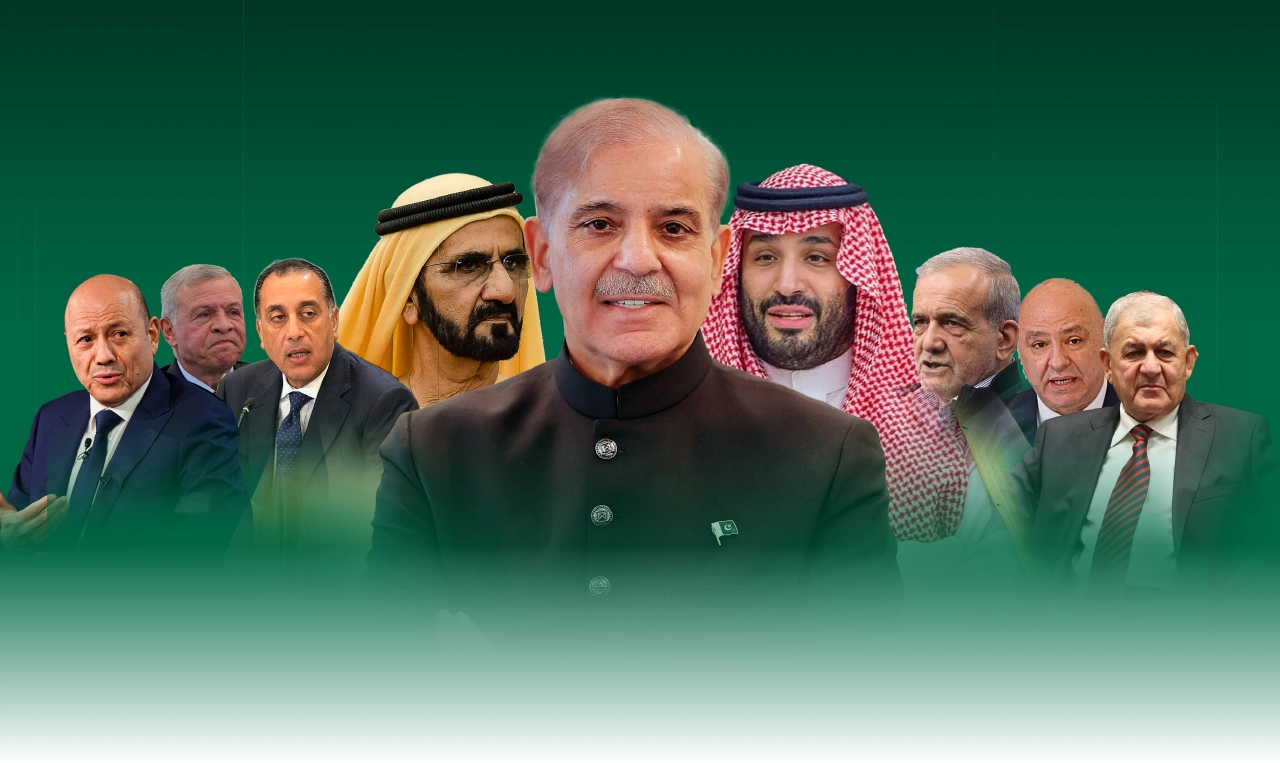
Washington, Riyadh, and Abu Dhabi finally recognize Islamabad’s true regional value. Years of diplomatic messaging failed to achieve what recent conflicts accomplished swiftly. Gulf capitals turned to Islamabad because past training programs and deep intelligence ties proved highly reliable. Pakistan delivers genuine deterrence rather than empty rhetorical solidarity during regional crises.
The strategic mutual defense agreement signed in Riyadh formalized an existing reality. Islamabad serves as Saudi Arabia’s most credible security partner outside American protection. Furthermore, geographic positioning grants Islamabad a unique diplomatic advantage. The country maintains a direct border with Tehran while preserving deep economic and security ties with Gulf nations.
Washington actively encourages regional allies to shoulder heavier security burdens independently. An arrangement strengthening stability without requiring extra American troops aligns with United States goals. Meanwhile, remittances from Gulf workers provide a crucial lifeline for the domestic economy. Gwadar Port and major economic corridors further connect the Gulf with neighboring regions.
Critics occasionally misinterpret Islamabad’s measured diplomatic posture as unreliability. Yet, strategic discipline prevents unnecessary entanglement in wider regional conflicts. Gulf states actively diversify partnerships as trust in unconditional protection slowly erodes. Islamabad now holds a genuine window to convert military credibility into durable structural relationships.
Leave a Reply